Unlocking Capital. Empowering Stories. Earning Trust.
A word from our CEO

What will make Africa economically great is already here; capital has never been absent, it has simply been held in fragmented and limited forms. Wealth exists across everyday people and businesses, but much of it is trapped in assets and enterprises that don’t yet express full value. While foreign investment matters, the collective savings of ordinary Africans often rival or even exceed external inflows. So the true challenge is not wealth creation, but wealth conversion, turning possession into productive capital. Like the man who sees a cow beyond meat, Africa must shift from subsistence thinking to industrial value extraction.
The HaTricks by Tolani Alli - A Visual Storytelling Masterclass, Powered by Payaza
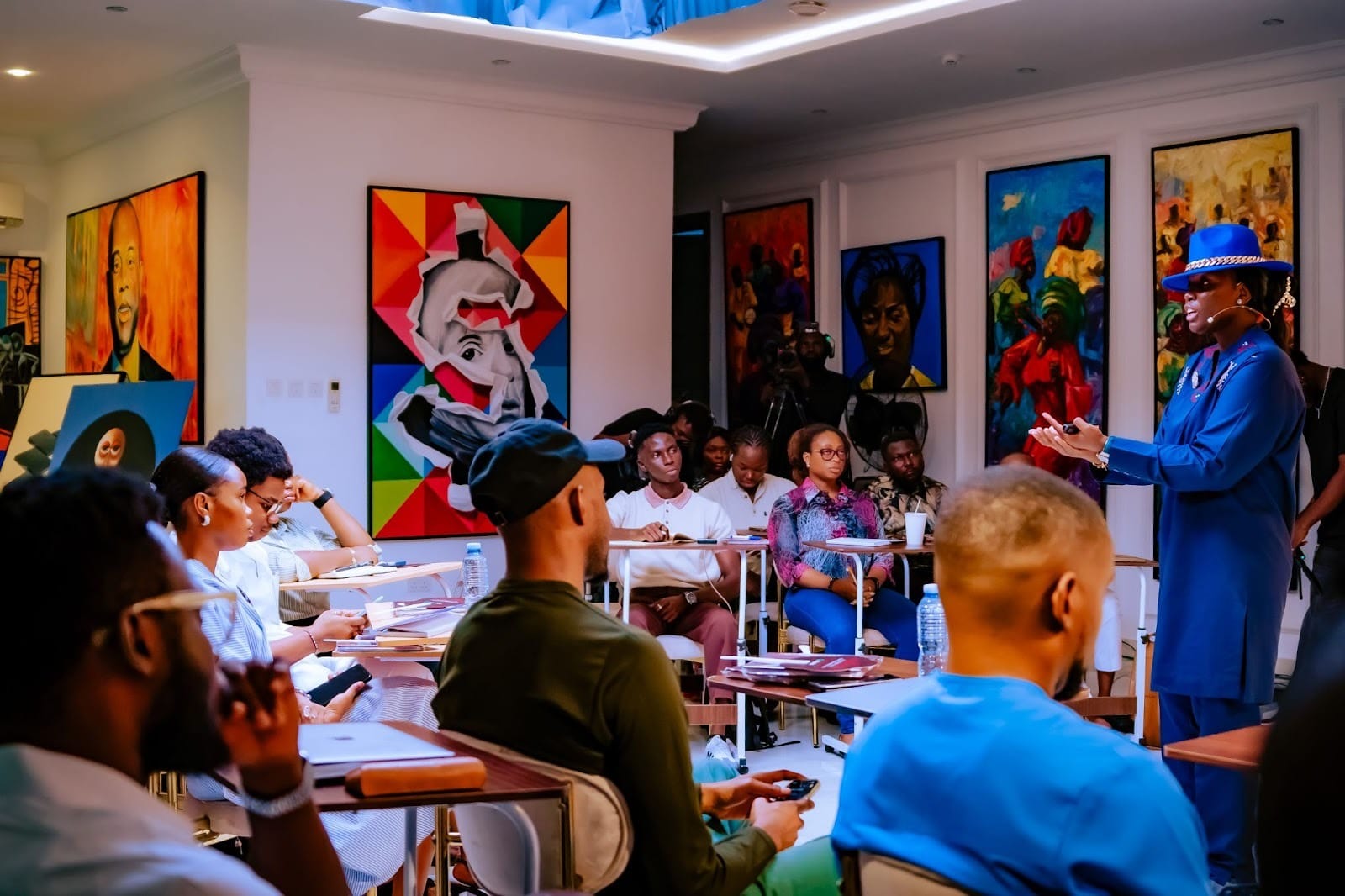
Tolani Alli, a Global Award-Winning Storyteller, Creative Strategist & Visual Producer (From the Oyo State Governor & Nigeria's Presidency to AfDB & now World Bank), delivered an experience rooted in mastery: how to see before you shoot, prepare before the moment arrives, and create frames that carry meaning.
We were proud to sponsor this Masterclass because we believe storytelling is power, and when creatives are equipped with skill, structure, and confidence, they don’t just take pictures… They shape narratives people remember and trust.
MIT Sloan School of Management EMBA Class of 2026 visit Payaza
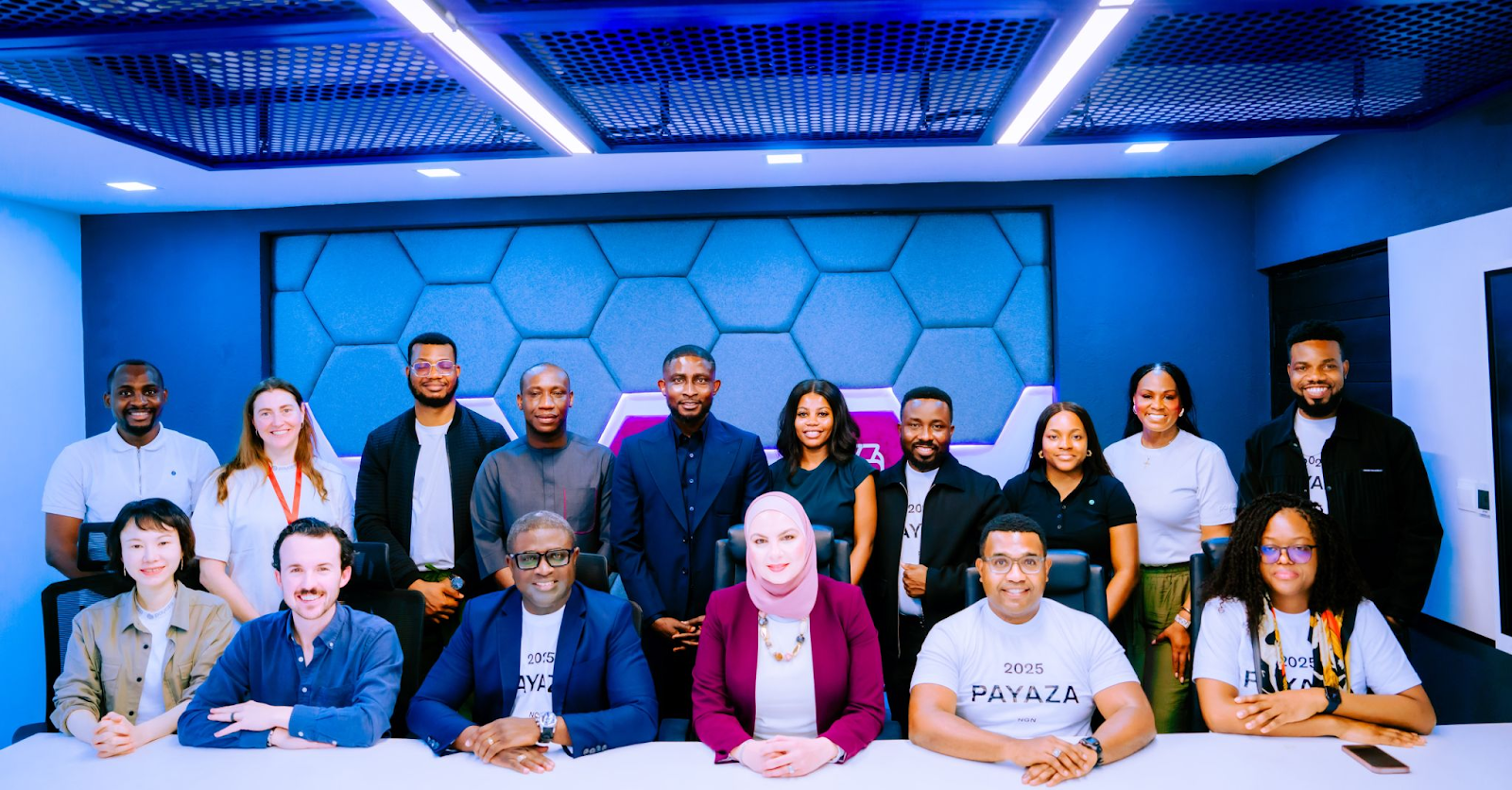
The MIT Sloan School of Management Executive MBA Class of 2026 recently visited Payaza’s office as part of an immersion tour exploring innovation and leadership in emerging markets. The visit was hosted by Payaza’s CTO, Philips Akinyele, a current MIT Sloan EMBA candidate, who shared insights on building scalable payment infrastructure, navigating Africa’s fintech landscape, and driving technology-led growth across borders. The session offered students a firsthand look at how African fintechs like Payaza are shaping the future of digital payments through resilient systems, regulatory alignment, and customer-focused innovation.
EU removes Nigeria, five African countries from high-risk financial list

Nigeria’s economic credibility continues to gain momentum, driven less by sudden capital inflows and more by improving trust, regulation, and institutional reforms. A key signal of this progress is the European Union’s recent decision to remove Nigeria, alongside South Africa, Burkina Faso, Mali, Mozambique, and Tanzania, from its high-risk financial crimes list, following strengthened anti-money-laundering and counter-terrorism financing controls aligned with global FATF standards. This move eases enhanced scrutiny on transactions with EU partners, reduces compliance costs for businesses and banks, and sends a strong confidence signal to international investors. Beyond symbolism, the delisting is expected to support smoother cross-border trade, improved correspondent banking relationships, and broader participation of Nigerian firms in global financial markets, reinforcing the country’s gradual repositioning as a more credible and structured economy.